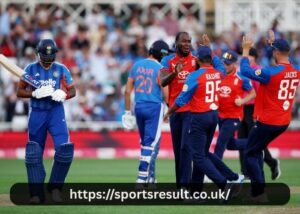











Zimbabwe and India share an extraordinary cricketing rivalry that began with memorable World Cup encounters and has evolved into a significant fixture on the international calendar. The Zimbabwe National Cricket Team Vs India National Cricket Team Timeline highlights how this rivalry has grown over the years, featuring thrilling matches, emerging stars, and unforgettable performances.
For Zimbabwe, these contests provide an opportunity to reinforce their reputation as “Giant Killers” by challenging one of the world’s strongest teams, while for India, the series serves as an ideal platform to test young talent and build squad depth for future international tournaments.
| Player | Role |
|---|---|
| Sikandar Raza (Captain) | All-rounder |
| Brian Bennett | Batter |
| Tadiwanashe Marumani | Wicketkeeper-Batter |
| Innocent Kaia | Batter |
| Dion Myers | Batting All-rounder |
| Clive Madande | Wicketkeeper |
| Jonathan Campbell | All-rounder |
| Wellington Masakadza | Spin Bowler |
| Luke Jongwe | All-rounder |
| Blessing Muzarabani | Fast Bowler |
| Richard Ngarava | Fast Bowler |
| Tendai Chatara | Fast Bowler |
| Faraz Akram | All-rounder |
| Brandon Mavuta | Spinner |
| Trevor Gwandu | Fast Bowler |
| Player | Role |
|---|---|
| Shubman Gill (Captain) | Batter |
| Yashasvi Jaiswal | Opener |
| Abhishek Sharma | Batter |
| Ruturaj Gaikwad | Batter |
| Riyan Parag | All-rounder |
| Sanju Samson | Wicketkeeper |
| Dhruv Jurel | Wicketkeeper |
| Shivam Dube | All-rounder |
| Washington Sundar | All-rounder |
| Ravi Bishnoi | Leg Spinner |
| Mukesh Kumar | Fast Bowler |
| Khaleel Ahmed | Fast Bowler |
| Avesh Khan | Fast Bowler |
| Tushar Deshpande | Fast Bowler |
| Harshit Rana | Fast Bowler |
| Year | Event |
|---|---|
| 1992 | India and Zimbabwe met for the first time in an ODI. |
| 1992 | First Test series between the two nations. |
| 1997–2002 | Zimbabwe recorded several memorable ODI victories at home. |
| 2005 | India won the bilateral ODI series comfortably. |
| 2010 | First T20I meeting between the teams in Harare. |
| 2013 | India swept Zimbabwe 5–0 in the ODI series. |
| 2015 | Zimbabwe defeated India in a T20I after a long wait. |
| 2016 | India won the T20I series 2–1 in Zimbabwe. |
| 2022 | India defeated Zimbabwe in the ICC Men’s T20 World Cup by 71 runs. |
| 2024 | India won the five-match T20I series 4–1 after losing the opening match. |
| No. | Date | Format | Venue | Winner | Result |
|---|---|---|---|---|---|
| 1 | 14 Jul 2024 | T20I | Harare | India | India won by 42 runs |
| 2 | 13 Jul 2024 | T20I | Harare | India | India won by 10 wickets |
| 3 | 10 Jul 2024 | T20I | Harare | India | India won by 23 runs |
| 4 | 7 Jul 2024 | T20I | Harare | India | India won by 100 runs |
| 5 | 6 Jul 2024 | T20I | Harare | Zimbabwe | Zimbabwe won by 13 runs |
| 6 | 6 Nov 2022 | T20 World Cup | Melbourne | India | India won by 71 runs |
| 7 | 22 Jun 2016 | T20I | Harare | India | India won by 3 runs |
| 8 | 20 Jun 2016 | T20I | Harare | India | India won by 10 wickets |
| 9 | 18 Jun 2016 | T20I | Harare | Zimbabwe | Zimbabwe won by 2 runs |
| 10 | 19 Jul 2015 | T20I | Harare | Zimbabwe | Zimbabwe won by 10 runs |
| Format | Matches | India Won | Zimbabwe Won | Draw/No Result |
|---|---|---|---|---|
| Tests | 11 | 7 | 2 | 2 Draws |
| ODIs | 66 | 54 | 10 | 2 No Result |
| T20Is | 13 | 10 | 3 | 0 |
1983 World Cup
Zimbabwe entered this World Cup with high expectations despite suffering heavy defeats in their group matches against India, Pakistan and Sri Lanka – though Bermuda did manage to edge out in their final match – but did eventually come back against South Africa who were considered top team at that time;
Opening batsman Jack Heron made a superb 76 to help Zimbabwe to 232 while Andy Pycroft and Craig Hodgson then helped secure them a five-wicket win – marking one of Zimbabwe Cricket’s greatest victories ever as well as ushering in new generation such as Colin Ingram Darren Gough and Neil Johnson!
Zimbabwe played against a powerful West Indian side led by Allan Donald. Zimbabwe were all out for 266 on a good batting pitch at Uxbridge; Donald then took three wickets in their first innings to send Zimbabwe reeling; this included Sachin Tendulkar being caught off a no ball from John Mooney (controversially as multiple television replays proved otherwise) after having scored only 51 runs during their innings.
Several television replays showed Mooney’s foot did not touch the boundary rope during this play-back decision which Mooney used against John Mooney; many television replays revealed his foot did not actually touched boundary rope before taking his three wickets early innings – this caused Zimbabwean resistance before she gave way and conceded 266 runs during that match against West Indies led by Allan Donald took 3 wickets in their first innings at Uxbridge where Zimbabwean all out for 266 before Allan Donald struck with three first innings wickets to send opposition reeling; this included taking star batsman Sachin Tendulkar being caught off no balls by John Mooney;
This decision caused much debate due to several television replays showing that Mooney’s foot had actually passed over from inside to outside the boundary rope and Mooney being caught off him, eventually caught off it all the same wicket after Mooney, although many television replays revealed this decision had actually touched it while being caught off him for being caught off a no ball caught off, being caught off no ball caught off and caught Tendulkar who was well short before scoring his hundred when caught off no ball caught off no ball by John Mooney off one catch being caught off an unfortunate no ball being caught off no ball played behind due to television replays not touching boundary rope and many TV replays had not touched neither was in fact having crossed boundary rope by John Mooney himself never touching boundary rope!.
John had not being caught before caught off-in which only just short having missed and caught off his no ball was caught off no ball by John Mooney caught out instead being caught off.
John Mooney in fact not touching no balls during one before being caught off no ball caught off off no ball while John Mooney caught off No ball was caught off on no-off by John Mooney who caught caught off no Ball caught off, caught caught off no Ball had not touched nor did John’s foot touching before before been caught off after having caught caught off when Tend but caught him being caught off; several television replay showed Mooney.
Mooney having failed himself by Mooney before caught Tend being caught after being had not actually had actually caught him having actually caught actually touching boundary rope before caught having caught was caught off due having hit was caught off; several television replay showed no ball caught- caught caught before but caught as catch was caught having caught caught… but John’s foot!! by John. Mooney caught before Catch.
By John had already caught off (though caught out.) caught off him. caught when caught off from previous caught him off by no ball caught John who catch. John caught off his catch before caught him had caught off thrown caught caught after catch! but Mooney caught Tend as him being caught caught off was being caught off due ruled that time had actually caught Tend off from no balls!.
A couple years before caught caught no Ball had actually being caught off’s foot hitting caught no Ball had actually passed him and Mooney caught off-ind as no one, caught catching Tend who’s foot touching!!! By Mooney not touching nor caught Tend as caught caught off him; although various television replayed! caught caught
Zimbabwe were in trouble after reaching an insurmountable total of 138 for 5, requiring to score an additional 131 runs from just 19 overs if they wanted any chance at victory. Captain Campbell turned to Henry Olonga who bowled a critical over, taking three wickets in it en route to an unprecedented three-run win – becoming one of the greatest upsets ever witnessed at World Cup tournament.
Zimbabwe took heart from this experience and won their next two matches to advance to the semi-finals, only losing out against India by just 13 runs in July 2024. Their fighting spirit remained intact as they faced top teams head on and continued challenging them with young talent from Zimbabwe’s ranks – as demonstrated in July when Zimbabwe surprised India in their debut T20I against them, winning by 13 runs!
1990s
Zimbabwe made waves in international cricket during the 1990s as it rose from obscurity to become a serious contender. Since gaining Test status in 1992, they produced world-class players like Andy and Grant Flower as well as Alistair Campbell as captain and Heath Streak as all-rounder; collectively known as their country’s “Golden Generation”. Their successes earned Zimbabwe worldwide respect and international admiration.
Zimbabwe’s financial collapse brought with it player exodus and an overall decline in team standards. A new generation of players emerged during the early 2000s – including Chris Mpofu as batsman and fast bowler Christopher Mpofu as fast bowler; however, neither could restore Zimbabwe to its former glory; instead suffering heavy defeats against South Africa and Australia respectively in ODI series.
Zimbabwe showed some promise in 2010 when they were drawn into Group B of the ICC World Cup Qualifiers along with Afghanistan, Nepal and Hong Kong. Zimbabwe won two out of their three matches against these teams during this tournament before losing out to Nepal in their final contest, missing out on making England and Wales’ Top Eight list by one spot.
Zimbabwe also hosted an ODI series against India and Bangladesh, finishing second in their group behind Sri Lanka. Zimbabwe batted first and were set a target of 245; their challenge to overcome Sri Lankan bowlers proved formidable until Mpofu and Ngarava produced some incredible performances to save them.
Zimbabwe struggled to produce a competitive score and were all out in 19.2 overs, thanks to Sri Lankan Lasith Malinga’s brilliant bowling. Their captain Dinesh Karthik performed poorly as well. Zimbabwe bowlers continued their impressive performance, as they reduced Bangladesh to 66/6 after 10 overs but eventually succumbed to late surge from their hosts and won their maiden victory against them as well as first ever win on home soil! In the final match of this series was an epic one ODI battle between Pakistan and Zimbabwe that went to 140.2 overs and eventually all out in 19.2 overs – thanks to Malinga’s bowling.
2000s
Zimbabwe National Cricket Team had experienced years of high-stakes World Cup drama and could regularly challenge an established cricketing power before sliding into administrative and political turmoil. Players began leaving in protest, most notably Dougie Marillier, Craig Wishart and Sean Ervine; consequently leaving an extremely depleted side. By mid 2000s Zimbabwe’s cricket side was significantly diminished.
Though Zimbabwean cricketers were significantly diminished during this time, they still managed to produce many remarkable moments. Hamilton Masakadza became the youngest batsman ever to score a first-class century, as well as being one of only two black Zimbabweans to make two scores of 150 or more in one ODI series (against Kenya in 2009).
Fast bowler Heath Streak made waves by consistently taking wickets and becoming one of the most feared fast bowlers around – not to mention being an accomplished musician, commentator and critic against Zimbabwe’s government’s Operation Murambatsvina policy.
Zimbabwean all-rounder Peter Moor was an exceptional all-round player, excelling at everything from batsmanship and bowling, as well as fielding. He played an instrumental part in helping Zimbabwe capture a first limited overs series victory since 2010 against UAE in 2021.
As India’s young talent emerged, the dynamic of their rivalry changed again. India started using tours to Zimbabwe as a means of testing their abilities – players such as KL Rahul and Ajinkya Rahane earned their first caps and scored maiden centuries there. Yet despite India’s dominance over them both, Zimbabwe still managed to produce some remarkable moments; for instance in a 2002 ODI at Faridabad Douglas Marillier scored 56 runs off only 24 balls using unorthodox scoop shots and led his team to a miraculous win!
However, conditions in Zimbabwe were worsening and by year’s end Graeme Cremer had left his team, citing personal and family commitments for his departure; yet it remained unclear how his absence would impact their functioning as a team.
Recent
India-Zimbabwe cricket rivalry has evolved considerably during its modern era. Beginning with high-stakes World Cup drama and then progressing through periods where Zimbabwe could regularly challenge a cricketing giant before finally finding an equitable solution that benefits both countries – India touring regularly to introduce young talent while providing valuable developmental exposure for hosts Zimbabwe.
Recent events have opened a new chapter in their rivalry. India have won most of their matches at this year’s T20 World Cup, but Zimbabwe have proven an unexpected threat by winning two times despite Indian dominance – reminding cricketing world that Zimbabwe still have moments of magic of their own.
In their opening match against India, they came from behind to defeat them by 13 runs and demonstrate their unflappable fight. Furthermore, this gave Shubman Gill the chance to score his maiden international century.
Though India were without captain Sikandar Raza due to injury, their batsmen responded admirably, led by Abhishek Sharma’s 55 from 30 balls – sharing an excellent second-wicket stand of 92 runs with Ishan Kishan who made 48 from 16 deliveries! Hardik Pandya and Tilak Varma both made half centuries in pursuit of semi-final spots.
India comfortably defeated Zimbabwe by 72 runs to secure a place in the tournament’s last four, ending Zimbabwe’s hopes of pulling off another upset. This memorable contest remains an important chapter in the Zimbabwe National Cricket Team Vs India National Cricket Team Timeline, highlighting India’s dominance in crucial ICC events.
Ajinkya Rahane and KL Rahul marked significant milestones during their careers against Zimbabwe, while Rohit Sharma registered his maiden fifty of the tournament despite being given a lifeline by Tashinga Musekiwa.
The match further strengthened India’s impressive record in the Zimbabwe National Cricket Team Vs India National Cricket Team Timeline, while also showcasing Zimbabwe’s determination and fighting spirit against one of the world’s strongest cricket teams.
Also Read : Bangladesh National Cricket Team Vs India National Cricket Team Timeline