








Forget the highlight reels from the World Cup final that just wrapped up on March 8; the reality of the India-Pakistan dynamic in the 2026 post-tournament window is a brutal war of attrition. As players transition directly from the high-octane pressure of the World Cup into the grueling IPL and PSL seasons, the narrative has shifted from tactical brilliance to sheer physical survival. Medical bulletins are now as critical as strike rates. With the dust barely settled on India’s title defense, both camps are scrambling to patch up their superstars who have been “red-lined” for months. This isn’t just about national pride anymore: it’s about which board manages their depleted resources better in the wake of the most taxing cricket calendar in history.If you follow the odds at Glory Casino or real-time statistics, even a minor hamstring injury during warm-up can now disrupt the entire tactical structure of the national team in this decisive match.
India’s Squad Overhaul: Managing IPL Fatigue and New Top-Order Roles
India’s squad is currently dictated by the National Cricket Academy (NCA) workload protocols. With the IPL in full swing, the medical staff has restricted Jasprit Bumrah’s participation in mid-week fixtures to preserve him for this specific clash. Any player showing a drop in sprint speed during the GPS tracking in IPL matches is being rotated out immediately.
The Injury Ward: Key Absences and Replacements
The biggest blow to India’s middle order is the loss of Tilak Varma. His abdominal surgery has left a vacuum at number four, a position crucial for counter-attacking spinners in the middle overs. Shreyas Iyer has been recalled to stabilize the innings, despite concerns over his strike rate against high-pace short balls.
Current status of the Indian medical room:
- Hardik Pandya is officially back to bowling his full quota of four overs after intensive rehab at the NCA.
- Mohammed Siraj replaces Harshit Rana, who suffered a side strain during the second week of the IPL.
- Washington Sundar remains sidelined with a recurring finger injury, forcing India to lean on Axar Patel as the primary all-rounder.
- Ishan Kishan has secured the wicketkeeper-batsman slot after a stellar IPL run, edging out Jitesh Sharma on form.
Projected Top-Order: Aggression Over Stability
Without the traditional anchoring of the old guard, India’s top three is now designed for maximum Powerplay damage. Abhishek Sharma and Yashasvi Jaiswal are instructed to maintain a strike rate above 150 regardless of early wickets. This high-risk strategy is a direct response to the flat, abrasive pitches expected in this window.
- Abhishek Sharma: 2026 stats show he attacks 85% of deliveries in the first six overs.
- Yashasvi Jaiswal: the tactical anchor who has evolved into a 360-degree hitter.
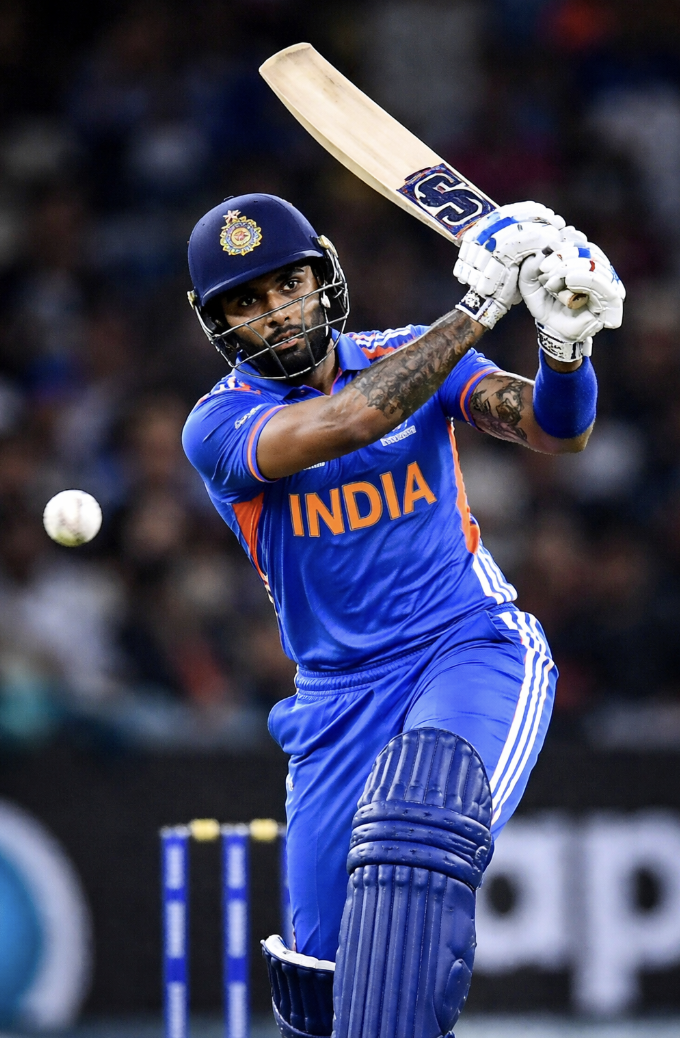
- Suryakumar Yadav (C): Operating at number three to dictate the tempo against both pace and spin.
Pakistan Squad Update: PSL 11 Impact and Leadership Turmoil
Pakistan enters this clash in a state of high-octane chaos. The just-concluded PSL 11 has left the squad battle-hardened but physically drained. The biggest story is the leadership: Salman Ali Agha, who led the team through a disappointing World Cup exit in March 2026, is currently under immense pressure from the PCB. Reports suggest he might lose the captaincy post-April regardless of the result, with Shadab Khan and Shaheen Afridi waiting in the wings. This uncertainty has created a volatile locker room where every player is effectively playing for their spot in the upcoming “major restructuring.”
The Injury List: Critical Gaps in the Top-Order
The medical report is bleak. Fakhar Zaman, the only player capable of consistently taking the game away from India in high-pressure situations, is officially out. His Grade II hamstring tear, sustained during the final PSL matches, has forced a tactical rethink. Without Fakhar’s left-handed aggression, the burden of the Powerplay now rests entirely on young shoulders.
The current state of the Pakistan medical room:
- Fakhar Zaman: out (Hamstring recovery timeline: 6 weeks).
- Naseem Shah: managing a minor shoulder niggle; expected to play but on a reduced bowling load.
- Azam Khan: ruled out due to fitness concerns following a dismal PSL campaign.
- Shaheen Afridi: match-fit but clearly struggling with a drop in average pace (now hovering around 135 km/h).
Tactical Shift: From “Anchoring” to “Power-Hitting”
The old Babar-Rizwan blueprint of “saving wickets for the end” has been scrapped. The 2026 tactical mandate is high-intent cricket from ball one. However, the lack of middle-order stability remains the team’s Achilles’ heel. With the abrasive pitches in India, the reliance on “mystery spinners” like Usman Tariq is Pakistan’s only real counter to India’s deep batting lineup.
- Saim Ayub acts as the designated X-factor. His aggressive style, including unpredictable shots, is now supported by improved strike rotation and better shot selection.
- Usman Tariq remains the main bowling threat in the middle overs. His ability to take wickets during this phase is crucial for controlling opponents such as Suryakumar Yadav.
- Salman Ali Agha functions as a floating all-rounder in the batting order. His task is to stabilize the innings and connect the explosive top order with the lower batting lineup.
Pakistan’s strategy is high-risk, high-reward. On a dry April track, they are betting that their unorthodox bowling can mask their batting inconsistencies.
Prognose of the Starting XI and Tactical Analysis
The April 2026 clash is a test of depth over star power. Following India’s T20 World Cup title defense in March, the focus is now on rotating fresh legs from the IPL and PSL circuits into the national setup. The “Predicted XI” for both sides reflects a desperate need to manage bowling workloads while maintaining the aggressive batting intent that defined the recent tournament.
India’s Predicted XI (Triple-Spin Strategy)
With abrasive, dry conditions expected, India is likely to drop a seamer for an extra spin option. The management has prioritized strike-rotation in the middle overs to counter Pakistan’s high-pace attack.
- Abhishek Sharma: powerplay aggressor; high-risk role.
- Yashasvi Jaiswal: left-handed anchor with improved sweep shots.
- Suryakumar Yadav (C): dictates tempo; primary target for Pakistan’s pacers.
- Shreyas Iyer: replacement for the injured Tilak Varma; spin-neutralizer.
- Hardik Pandya: critical for balance; back to bowling high-intensity spells.
- Rinku Singh: designated finisher; strike rate 190+ in death overs.
- Axar Patel: primary bowling all-rounder; provides left-arm variety.
- Kuldeep Yadav: the wicket-taking wrist-spinner.
- Varun Chakaravarthy: “Mystery” element to disrupt Pakistan’s middle order.
- Jasprit Bumrah: leader of the attack; restricted to 4-over bursts.
- Arshdeep Singh: specialist for left-arm angles and death-over yorkers.
Pakistan’s Predicted XI
Pakistan’s selection is hampered by the loss of Fakhar Zaman. The burden now falls on their bowling unit to defend sub-par totals or restrict India’s explosive top-order early in the innings.
- Saim Ayub: high-intent opener; tasked with taking on Bumrah early.
- Sahibzada Farhan (wk): in-form PSL performer replacing the aging Rizwan-Babar opening combo.
- Babar Azam: shifted to No. 3 to stabilize the innings after Powerplay.
- Salman Ali Agha (C): tactical lead; versatile middle-order batter.
- Usman Khan: power-hitter for the 7-15 over block.
- Shadab Khan: critical leg-spin and lower-order hitting.
- Mohammad Nawaz: left-arm spin option to counter India’s right-handers.
- Shaheen Shah Afridi: new-ball specialist; searching for swing in dry air.
- Naseem Shah: the most consistent pacer in the current squad.
- Abrar Ahmed: leg-break bowler to provide variety.
- Haris Rauf: high-pace enforcer for the final three overs.
Betting Outlook: Markets and Realistic Odds
India enters as a 1.45 favorite, while Pakistan is the underdog at 2.75. Given India’s recent 61-run victory over Pakistan in February and their 14-3 overall T20 head-to-head dominance, the moneyline on India is the safest play. For higher yields, the “Top Bowler” market on Varun Chakaravarthy (around 3.50) is lucrative, as his mystery spin consistently rattles Pakistan’s middle order on dry April tracks. Expect a high-scoring Powerplay followed by a total collapse from Pakistan against India’s triple-spin attack. Betting on India to hit Most Sixes (1.65) is a solid supplementary pick. Before watching the games against Pakistan, check out India’s series against Afghanistan and the players’ results.